Contents
All articles on liver diseases, organized by clinical area.
Viral hepatitis
See more in Viral hepatitis- After hepatitis C cure: follow-up and care Curing hepatitis C removes the virus, but some patients still need follow-up. Learn when to repeat tests and continue long-term liver surveillance.
- Early detection of hepatitis C Hepatitis C is silent for years and is now curable. Get the antibody test at least once in your lifetime to catch it early and prevent cirrhosis and liver cancer.
- Hepatitis A Hepatitis A is an acute liver infection spread through contaminated water or food. It almost always resolves on its own and never becomes chronic. How it spreads, is diagnosed and prevented.
- Hepatitis B and HIV coinfection Hepatitis B and HIV coinfection speeds up liver damage. Antiretroviral therapy must include drugs active against both viruses, such as tenofovir.
- Hepatitis B and pregnancy Hepatitis B can pass to a baby during birth, but transmission is usually preventable with maternal care, vaccination and immunoglobulin at birth.
- Hepatitis B: transmission, prevention and treatment What hepatitis B is, how it spreads, why the vaccine prevents it, and how chronic infection is treated with oral antivirals. A guide for patients.
- Hepatitis C Hepatitis C is now a curable disease. Oral antiviral pills taken for 8 to 12 weeks clear the virus in more than 95% of people. What it is, how it spreads and how it is treated.
- Hepatitis C and HIV coinfection Hepatitis C and HIV coinfection speeds up liver damage, but today hepatitis C is cured in more than 95% of cases with direct-acting antivirals.
- Hepatitis C and pregnancy Can a woman with hepatitis C get pregnant? The risk of passing it to the baby is low (about 5%). Which tests, treatment and care are recommended.
- Hepatitis C: frequently asked questions Clear answers about hepatitis C: how it spreads, whether it is curable, how it is diagnosed and why it is now cured in over 95% of cases with oral treatment.
- Hepatitis D (Delta): what it is, symptoms and treatment Hepatitis D or Delta only affects people with hepatitis B and is the most severe form of chronic viral hepatitis. How it spreads, is diagnosed and is treated today.
- Hepatitis D testing: who should be tested Hepatitis D affects only people with hepatitis B and can accelerate cirrhosis. Learn who should be tested and how active infection is confirmed.
- Hepatitis E: transmission, pregnancy and treatment Hepatitis E is a liver infection caused by a virus spread through water or undercooked meat. It usually clears on its own, but can be severe in pregnancy.
- Hepatitis G: the virus that does not harm the liver Hepatitis G virus (GBV-C), now called human pegivirus, infects many people but does not cause hepatitis or liver damage. What it means if you tested positive.
- Herpes hepatitis (herpes simplex virus hepatitis) Herpes simplex virus hepatitis is a rare cause of acute liver failure, severe in pregnant and immunocompromised people. Early intravenous acyclovir saves lives.
- How to prevent and detect hepatitis Viral hepatitis can be prevented with vaccines, hygiene and safe practices, and detected with a simple blood test. What to do to protect yourself and who to test.
- The 2017 hepatitis A outbreak in Chile In 2017 Chile had a hepatitis A outbreak with sexual transmission among men. What happened, why more adults are now susceptible, and how the vaccine prevents it.
- TT virus (TTV): the misnamed "hepatitis TT" The TT virus (Torque teno virus) is very common in healthy people and does not cause hepatitis or liver disease. It is now studied as a marker of immune status.
- Types of hepatitis: viral and non-viral A short guide to the types of hepatitis: viral (A, B, C, D and E) and non-viral (alcohol, fatty liver, autoimmune and toxic), with their differences at a glance.
- Undiagnosed hepatitis C in Chile: many have it and don't know Hepatitis C is now curable with oral antivirals. That is why a one-time antibody test matters: many people carry the virus without knowing it.
- What is hepatitis? Hepatitis means inflammation of the liver. It can be acute or chronic and has many causes: viruses, fatty liver, alcohol, medications and autoimmune disease.
Cirrhosis
See more in Cirrhosis- Alcohol-related liver disease Alcohol-related liver disease ranges from fatty liver to alcoholic hepatitis and cirrhosis. How much drinking carries risk, and why stopping helps at every stage.
- Ascites: fluid in the abdomen from cirrhosis Ascites is a buildup of fluid in the abdomen and the most common complication of cirrhosis. Causes, symptoms, workup and current treatment.
- Causes of liver cirrhosis The causes of cirrhosis, from the most to the least common, and why identifying and treating the cause early can stop and even reverse liver damage.
- Child-Pugh score The Child-Pugh score estimates the severity of cirrhosis using five variables and sorts patients into classes A, B and C. What each class means.
- Cirrhosis of the liver Cirrhosis is advanced scarring of the liver. What causes it today, how it is detected, its complications, and why treating the cause can halt or even reverse the damage.
- Compensated cirrhosis: follow-up and care Compensated cirrhosis can remain stable for years. Learn which regular follow-up checks help prevent decompensation and detect liver cancer early.
- Esophageal varices Esophageal varices are dilated veins in the esophagus caused by portal hypertension from cirrhosis. How they are detected, how bleeding is prevented and how they are treated.
- Hepatocellular carcinoma (liver cancer) Hepatocellular carcinoma is the most common primary liver cancer. It almost always arises in a cirrhotic liver. How it is prevented, detected and treated.
- Hepatology: what it is and what a hepatologist does Hepatology is the branch of medicine that studies the liver and bile ducts. What a hepatologist does and when you should see one.
- How to choose a good hepatologist in Chile Verifiable criteria for choosing a hepatologist in Chile: professional registration, training, relevant experience, clinical network, communication and follow-up.
- MELD score (MELD 3.0) The MELD score measures the severity of liver disease and ranks the transplant waiting list. What it means, what it is for and how MELD 3.0 is calculated.
- Nutrition and the liver: what to eat for your liver condition How to eat with fatty liver or cirrhosis: Mediterranean diet, how much protein, salt in ascites, and why no food actually cleanses the liver.
Fatty liver
See more in Fatty liver- 12 questions about fatty liver (MASLD) Is fatty liver serious? Can it be cured? What diet should you follow? Clear answers to the 12 most common questions about fatty liver (MASLD).
- Fatty liver disease (MASLD) Fatty liver, now called metabolic dysfunction-associated steatotic liver disease (MASLD), is the most common liver disease. What it is, how it is diagnosed and how it is treated.
- Fatty liver on ultrasound: what it means and what to do Fatty liver on ultrasound is common and usually treatable. Learn which tests you may need and how doctors assess the risk of liver fibrosis.
- Semaglutide and fatty liver: what we know Semaglutide (Ozempic, Rybelsus) may improve MASH in selected patients, but it does not replace fibrosis assessment. Learn about its benefits, limitations and risks.
Lab tests
See more in Lab tests- Albumin: what a low level means Albumin is a protein made by the liver. Here is what this blood test measures, why albumin drops in cirrhosis and what other causes it can have.
- Bilirubin: what it is and what a high level means High bilirubin can be due to hemolysis, Gilbert syndrome, bile duct obstruction or liver disease. How to interpret this test based on its pattern.
- Elevated liver enzymes: causes and evaluation Elevated liver enzymes are common and do not always mean serious damage. Learn about their causes, diagnostic tests and signs requiring prompt care.
- FIB-4 and FibroScan: measuring liver fibrosis FIB-4 and FibroScan estimate liver fibrosis without a biopsy. Learn what each test measures, how results are used and when specialist care is needed.
- GGT (gamma-glutamyl transferase) GGT is an enzyme that rises with cholestasis, alcohol and certain drugs. What a high GGT means and when it is actually worth worrying about.
- Hepatitis B tests: HBsAg, anti-HBs and anti-HBc HBsAg, anti-HBs and anti-HBc distinguish hepatitis B infection, immunity and vaccination. Learn what the most common blood test patterns mean.
- High alkaline phosphatase: what it is and why it rises High alkaline phosphatase usually reflects a problem of the liver or bile ducts (cholestasis), but also of bone. What it means and how it is evaluated.
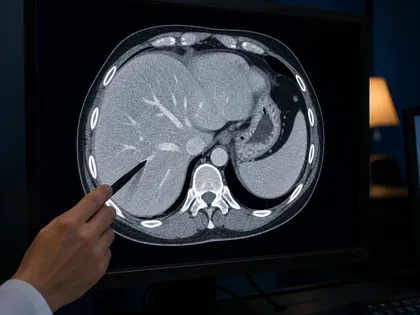
- Liver biopsy: what it involves and when it is needed today A liver biopsy takes a small sample of the liver to assess damage and fibrosis. It is used less often today because noninvasive tests can estimate it without a needle.
- Liver enzymes (ALT and AST): what they mean and what to do Liver enzymes or aminotransferases ALT and AST: what they are, why they rise, their ranges and patterns, and what to do if your blood test shows them high.
- Prothrombin time and INR Prothrombin time and INR measure blood clotting and reflect liver function. Why they change in liver disease and what their values mean.
Symptoms and signs
See more in Symptoms and signs- Dark urine (choluria): what it means and when to worry Choluria is dark, tea- or cola-colored urine caused by bilirubin in the urine. It is often a sign of liver or bile duct disease. When to see a doctor.
- Hepatic encephalopathy Hepatic encephalopathy is a decline in brain function from toxins a diseased liver fails to clear. How to recognize it, what triggers it and how it is treated.
- Itching (pruritus) in liver disease Itching, or pruritus, is a common and sometimes intolerable symptom of cholestatic liver diseases. Why it happens and how it is treated step by step.
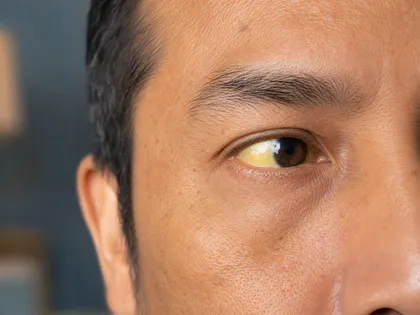
- Jaundice: why the skin and eyes turn yellow Jaundice is the yellow color of the skin and eyes from high bilirubin. Causes, signs like dark urine and pale stools, and when to seek urgent care.
Liver tumors
See more in Liver tumors- Cholangiocarcinoma (bile duct cancer) Cholangiocarcinoma is a cancer of the bile ducts that often causes jaundice. Learn about its types, risk factors, diagnosis and the newer treatments.
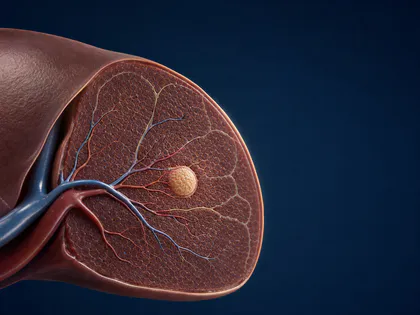
- Focal nodular hyperplasia of the liver (FNH) Focal nodular hyperplasia is a benign liver tumor, most common in young women. It is almost always an incidental finding, does not become cancer and needs no treatment.
- Hepatocellular adenoma: what it means and when it needs treatment A hepatocellular adenoma is benign, but some may bleed or grow. Learn how hormones, obesity, pregnancy and tumor size affect treatment and follow-up.
- Liver hemangioma A liver hemangioma is the most common benign liver tumor. It is almost always an incidental finding, causes no symptoms and needs no treatment.
- Polycystic liver disease Polycystic liver disease means multiple cysts in the liver of genetic origin. It is usually symptom-free and liver function is preserved. What it is and when it is treated.
- Simple liver cyst A simple liver cyst is a fluid-filled cavity, very common and benign. It is almost always an incidental finding that causes no symptoms and needs no treatment.
Autoimmune diseases
See more in Autoimmune diseases- Autoimmune hepatitis Autoimmune hepatitis happens when the immune system attacks the liver itself. What it is, how it is diagnosed and how it is treated with corticosteroids and azathioprine.
- Primary biliary cholangitis (formerly primary biliary cirrhosis) Primary biliary cholangitis (formerly primary biliary cirrhosis) is an autoimmune disease of the bile ducts. What it is, how it is diagnosed and how it is treated.
- Primary sclerosing cholangitis (PSC) Primary sclerosing cholangitis inflames and narrows the bile ducts, is linked to ulcerative colitis and is diagnosed with MR cholangiography. What it is and how it is managed.
Genetic diseases
See more in Genetic diseases- Gilbert's syndrome Gilbert's syndrome is a very common, harmless inherited condition that mildly raises bilirubin. It is not a liver disease and needs no treatment.
- Hemochromatosis: too much iron in the liver Hemochromatosis is iron overload, almost always inherited (HFE gene). It is suspected with high ferritin and transferrin saturation and treated with phlebotomy.

Toxins and drugs
See more in Toxins and drugs- Acetaminophen (paracetamol) liver toxicity Acetaminophen poisoning is a common cause of acute liver failure. Learn the toxic dose, why timing matters, and why N-acetylcysteine saves lives.
- Hepatotoxic mushroom poisoning (Amanita phalloides) Eating wild Amanita mushrooms can cause acute liver failure from amatoxins. Clinical phases, treatment and why it is a medical emergency.
- Herbal supplements and liver injury Herbal supplements, weight-loss products and sports preparations can injure the liver. Learn the warning signs and what to do if you suspect a reaction.
- The myth of the daily glass of wine: is moderate drinking good for you? A daily glass of wine is not a healthy habit. Current evidence shows there is no risk-free level of alcohol, either for the heart or for the liver.

Liver transplant
See more in Liver transplant- Liver transplant A liver transplant replaces a diseased liver with a healthy one. Who is a candidate, how patients are prioritized with the MELD score, and what to expect from the process.
- Long-term care after a liver transplant After the first year of a liver transplant, medication, preventive care and sustainable daily habits protect both the transplanted liver and overall health.
- The first months after a liver transplant: care and warning signs A practical guide to the first months after a liver transplant: follow-up, immunosuppressants, safe recovery, infection prevention and warning signs.