On this page
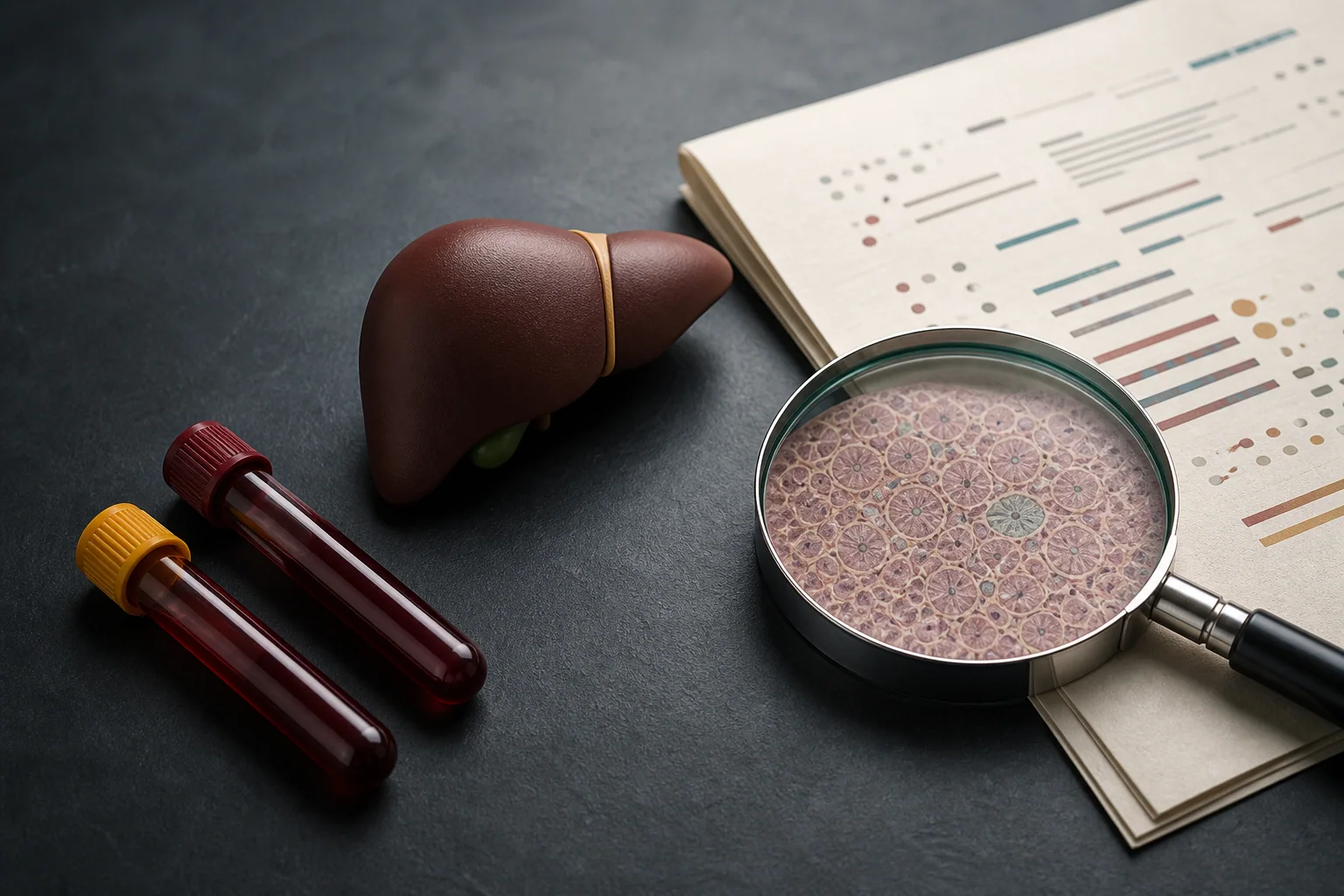
Elevated liver enzymes mean that cells in the liver, or sometimes muscle, are releasing enzymes into the blood. This is a common finding and does not reveal the cause or severity by itself. Most mild elevations are not an emergency, but they deserve an organized evaluation.
The two enzymes are ALT, which is more specific to the liver, and AST, which is also found in muscle and other tissues. Before interpreting the result, it helps to know how high the values are, whether other tests are abnormal and whether symptoms are present. A detailed explanation is available in ALT and AST liver enzymes.
Common causes
Frequent causes include:
- Fatty liver disease (MASLD), especially with excess weight, diabetes or high triglycerides.
- Alcohol use.
- Medications, herbal products and supplements.
- Hepatitis B and hepatitis C.
- Strenuous exercise or muscle injury, especially when AST is higher.
Less common causes include autoimmune hepatitis, hemochromatosis, celiac disease, thyroid disorders and bile duct problems.
What helps interpret the result?
The degree of elevation provides clues but does not make the diagnosis. Mild persistent elevations are common in fatty liver and chronic viral hepatitis. Very high values can occur in acute hepatitis, medication injury, reduced blood flow to the liver or acetaminophen toxicity.
Clinicians also review bilirubin, alkaline phosphatase, GGT, albumin and prothrombin time. ALT and AST indicate cell injury, while albumin and clotting tests say more about the liver’s ability to function.
What does the evaluation involve?
A clinician will usually:
- Confirm the result and compare it with previous tests.
- Ask about alcohol, medications, supplements, recent infections and exercise.
- Look for metabolic risk with glucose, hemoglobin A1c and lipid testing.
- Order blood tests for hepatitis B and C.
- Obtain ultrasound or other tests based on the pattern and persistence.
When fatty liver or metabolic risk is present, FIB-4 can help estimate fibrosis. Normal enzymes do not rule out advanced scarring, just as a high value does not necessarily mean cirrhosis.
Should I stop medications or supplements?
Do not stop an essential prescription on your own. Bring a complete list to the appointment, including doses of vitamins, herbal preparations, weight-loss products and sports supplements. If toxicity is suspected, your clinician will advise what to stop and how recovery should be monitored.
When should I seek prompt care?
Seek medical attention without delay if elevated enzymes occur with:
- Jaundice or dark urine.
- Confusion, marked drowsiness or bleeding.
- Persistent vomiting or severe abdominal pain.
- Possible acetaminophen overdose.
- Pregnancy with illness, high blood pressure or other new symptoms.
If these warning signs are absent, arrange a clinical evaluation and avoid alcohol until the cause is clear. Repeating tests without investigating the cause can delay a treatable diagnosis.
See also
- ALT and AST liver enzymes
- Fatty liver on ultrasound
- Herbal supplements and liver injury
- Bilirubin
References
- Kwo PY, Cohen SM, Lim JK. ACG Clinical Guideline: Evaluation of Abnormal Liver Chemistries. Am J Gastroenterol. 2017;112(1):18-35.
- Newsome PN, Cramb R, Davison SM, et al. Guidelines on the management of abnormal liver blood tests. Gut. 2018;67(1):6-19.
- Rinella ME, Neuschwander-Tetri BA, Siddiqui MS, et al. AASLD Practice Guidance on the clinical assessment and management of nonalcoholic fatty liver disease. Hepatology. 2023;77(5):1797-1835.
Related articles
Hepatitis B tests: HBsAg, anti-HBs and anti-HBc
HBsAg, anti-HBs and anti-HBc distinguish hepatitis B infection, immunity and vaccination. Learn what the most common blood test patterns mean.
FIB-4 and FibroScan: measuring liver fibrosis
FIB-4 and FibroScan estimate liver fibrosis without a biopsy. Learn what each test measures, how results are used and when specialist care is needed.
Bilirubin: what it is and what a high level means
High bilirubin can be due to hemolysis, Gilbert syndrome, bile duct obstruction or liver disease. How to interpret this test based on its pattern.