
Viral hepatitis
Hepatitis D testing: who should be tested
Hepatitis D affects only people with hepatitis B and can accelerate cirrhosis. Learn who should be tested and how active infection is confirmed.
Hepatitis A, B, C, D and E: how they spread, what symptoms they cause and their current treatments.
Hepatitis D affects only people with hepatitis B and can accelerate cirrhosis. Learn who should be tested and how active infection is confirmed.

Curing hepatitis C removes the virus, but some patients still need follow-up. Learn when to repeat tests and continue long-term liver surveillance.

Hepatitis B can pass to a baby during birth, but transmission is usually preventable with maternal care, vaccination and immunoglobulin at birth.

A short guide to the types of hepatitis: viral (A, B, C, D and E) and non-viral (alcohol, fatty liver, autoimmune and toxic), with their differences at a glance.

In 2017 Chile had a hepatitis A outbreak with sexual transmission among men. What happened, why more adults are now susceptible, and how the vaccine prevents it.

Viral hepatitis can be prevented with vaccines, hygiene and safe practices, and detected with a simple blood test. What to do to protect yourself and who to test.

Hepatitis C is now curable with oral antivirals. That is why a one-time antibody test matters: many people carry the virus without knowing it.
Herpes simplex virus hepatitis is a rare cause of acute liver failure, severe in pregnant and immunocompromised people. Early intravenous acyclovir saves lives.
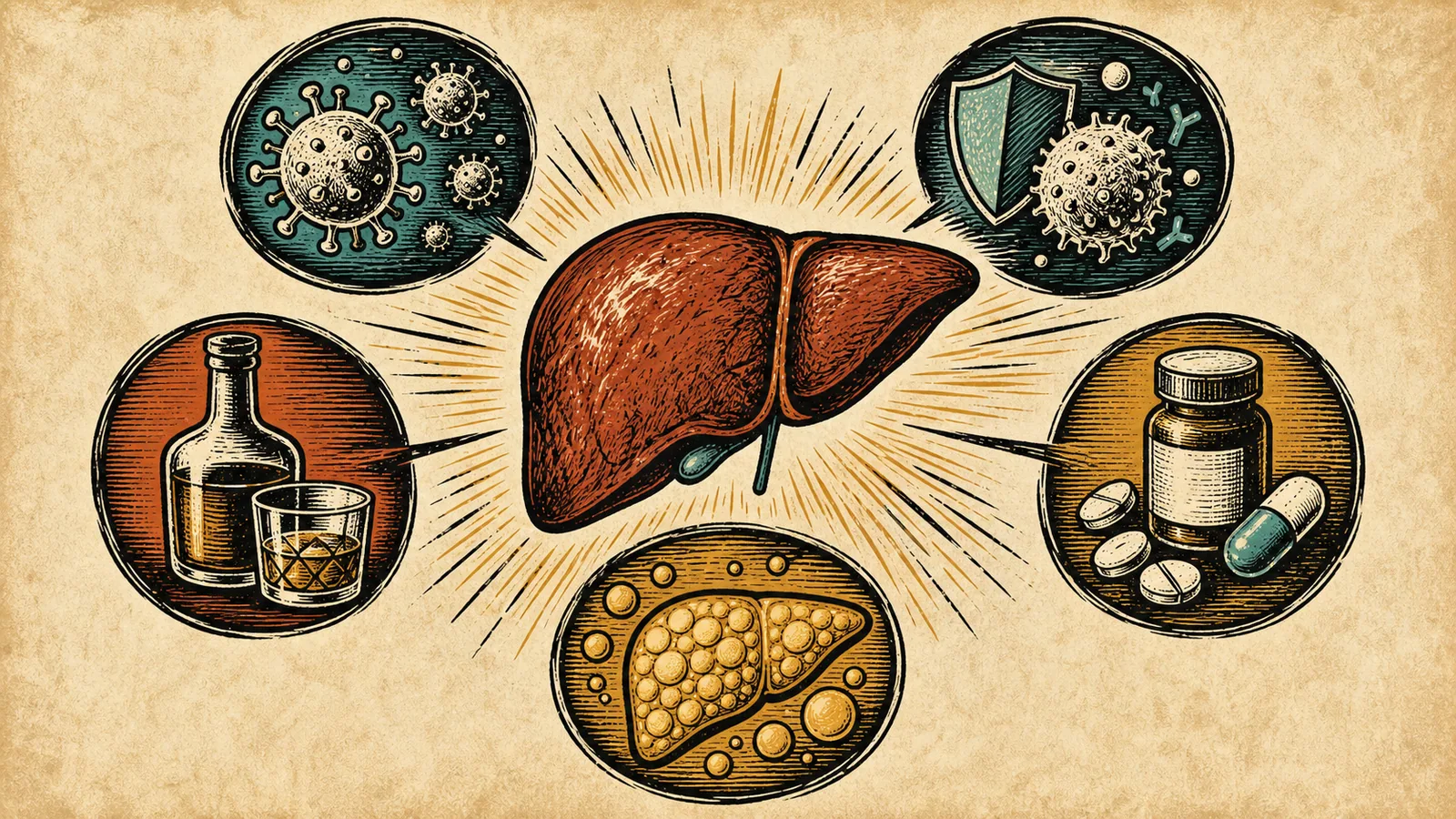
Hepatitis means inflammation of the liver. It can be acute or chronic and has many causes: viruses, fatty liver, alcohol, medications and autoimmune disease.

Hepatitis C and HIV coinfection speeds up liver damage, but today hepatitis C is cured in more than 95% of cases with direct-acting antivirals.
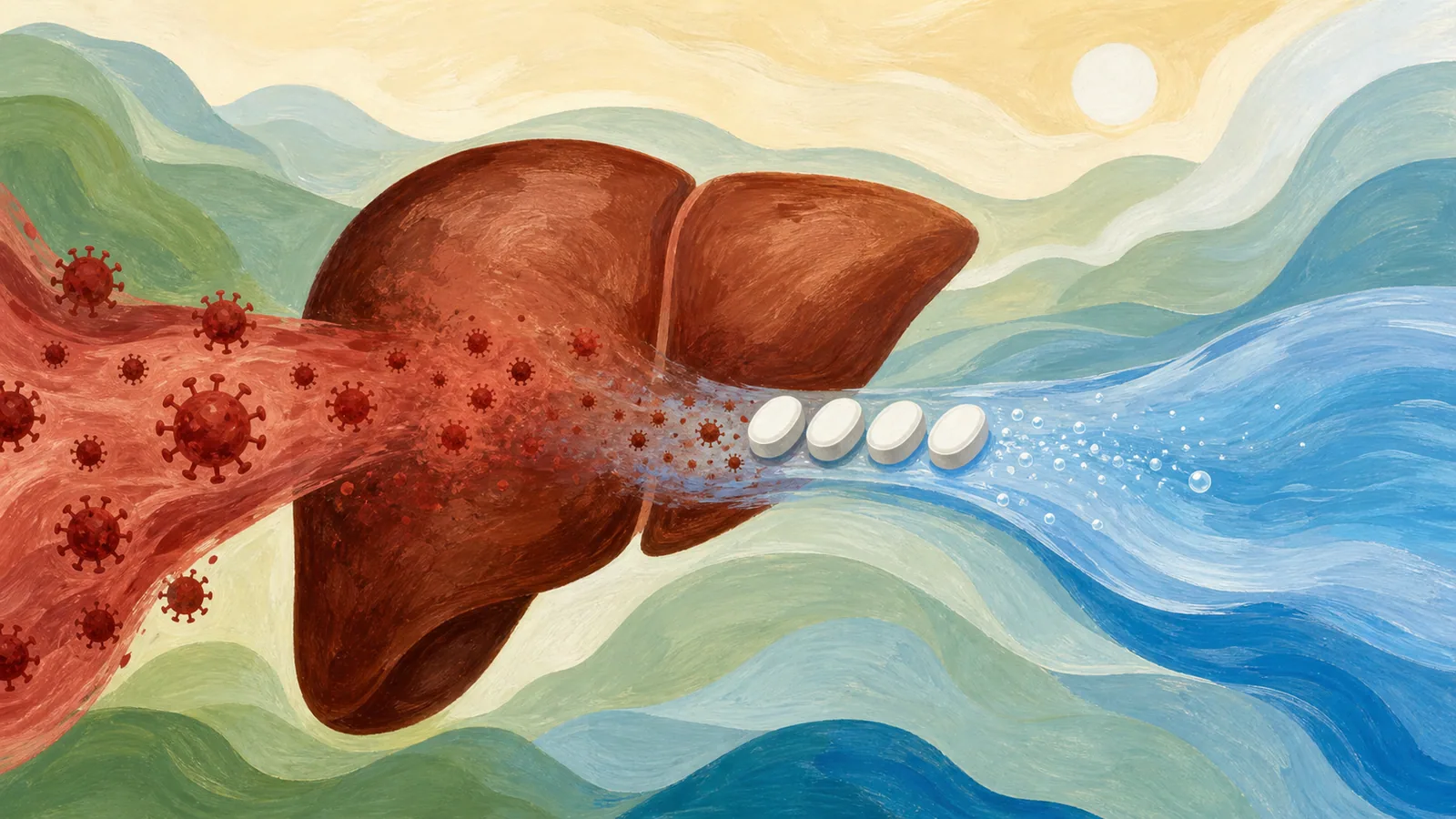
Hepatitis C is now a curable disease. Oral antiviral pills taken for 8 to 12 weeks clear the virus in more than 95% of people. What it is, how it spreads and how it is treated.

What hepatitis B is, how it spreads, why the vaccine prevents it, and how chronic infection is treated with oral antivirals. A guide for patients.
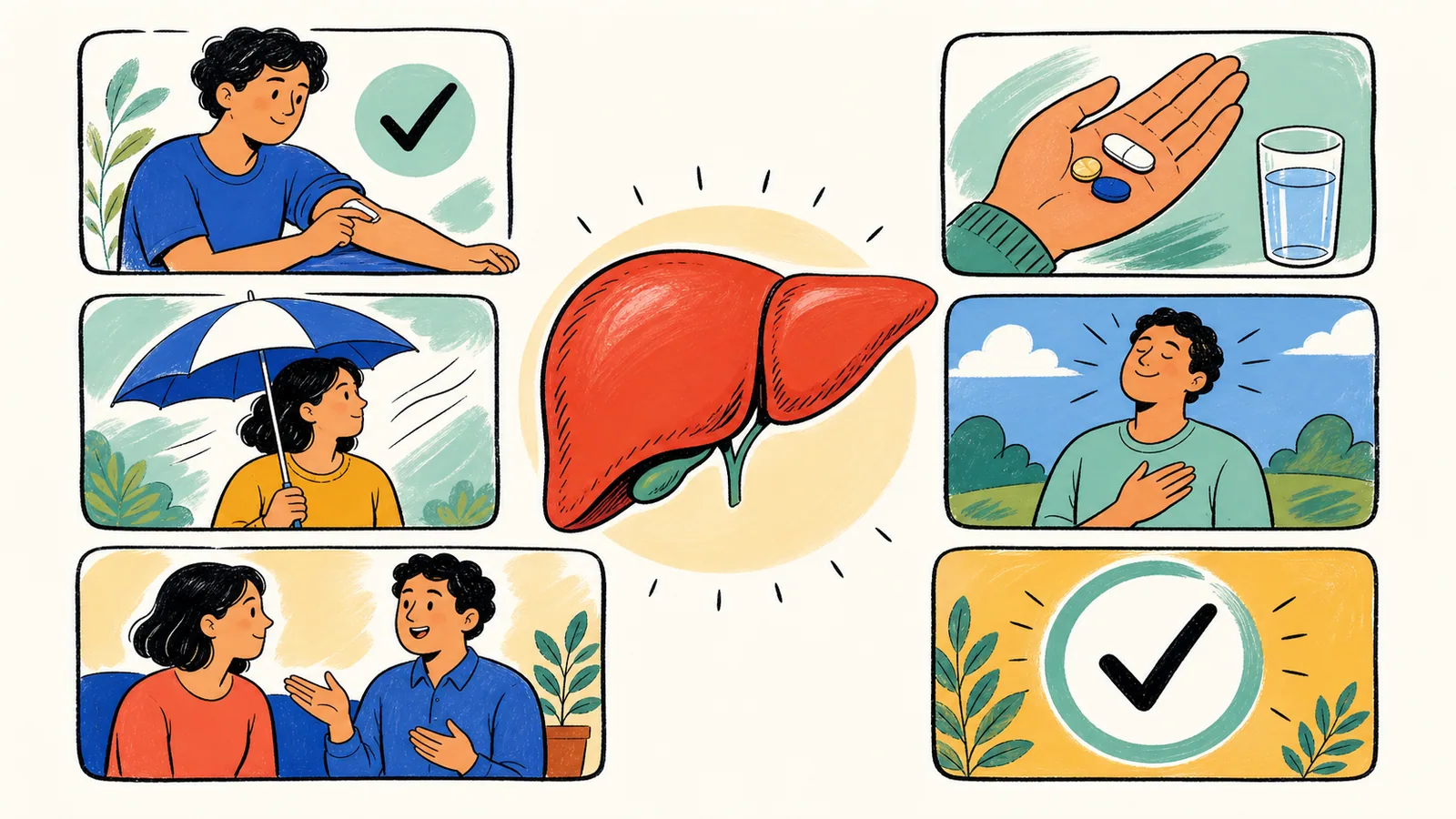
Clear answers about hepatitis C: how it spreads, whether it is curable, how it is diagnosed and why it is now cured in over 95% of cases with oral treatment.

Hepatitis E is a liver infection caused by a virus spread through water or undercooked meat. It usually clears on its own, but can be severe in pregnancy.

Hepatitis A is an acute liver infection spread through contaminated water or food. It almost always resolves on its own and never becomes chronic. How it spreads, is diagnosed and prevented.

Can a woman with hepatitis C get pregnant? The risk of passing it to the baby is low (about 5%). Which tests, treatment and care are recommended.

Hepatitis C is silent for years and is now curable. Get the antibody test at least once in your lifetime to catch it early and prevent cirrhosis and liver cancer.

Hepatitis D or Delta only affects people with hepatitis B and is the most severe form of chronic viral hepatitis. How it spreads, is diagnosed and is treated today.
Hepatitis G virus (GBV-C), now called human pegivirus, infects many people but does not cause hepatitis or liver damage. What it means if you tested positive.
The TT virus (Torque teno virus) is very common in healthy people and does not cause hepatitis or liver disease. It is now studied as a marker of immune status.
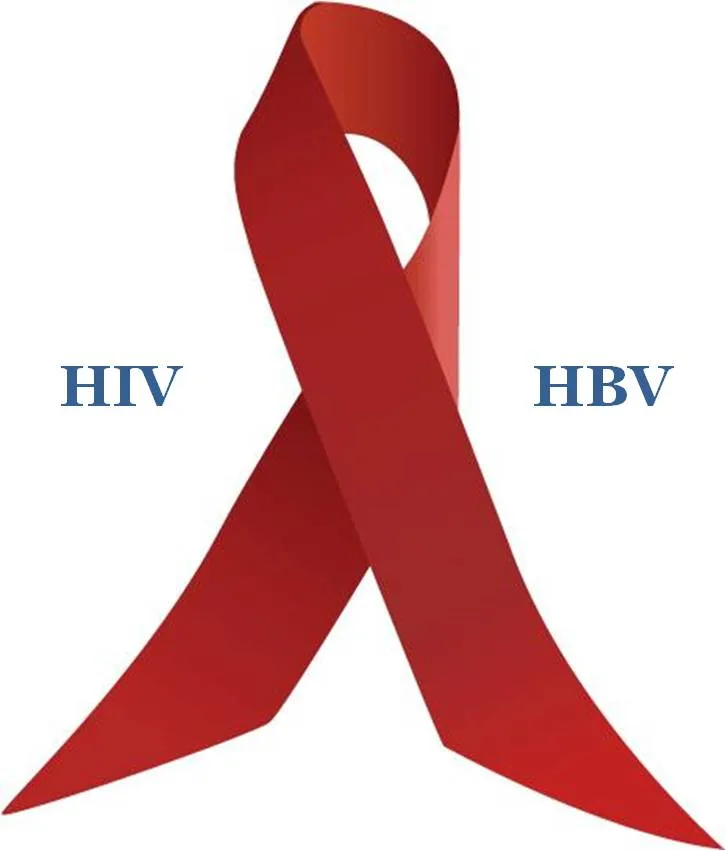
Hepatitis B and HIV coinfection speeds up liver damage. Antiretroviral therapy must include drugs active against both viruses, such as tenofovir.